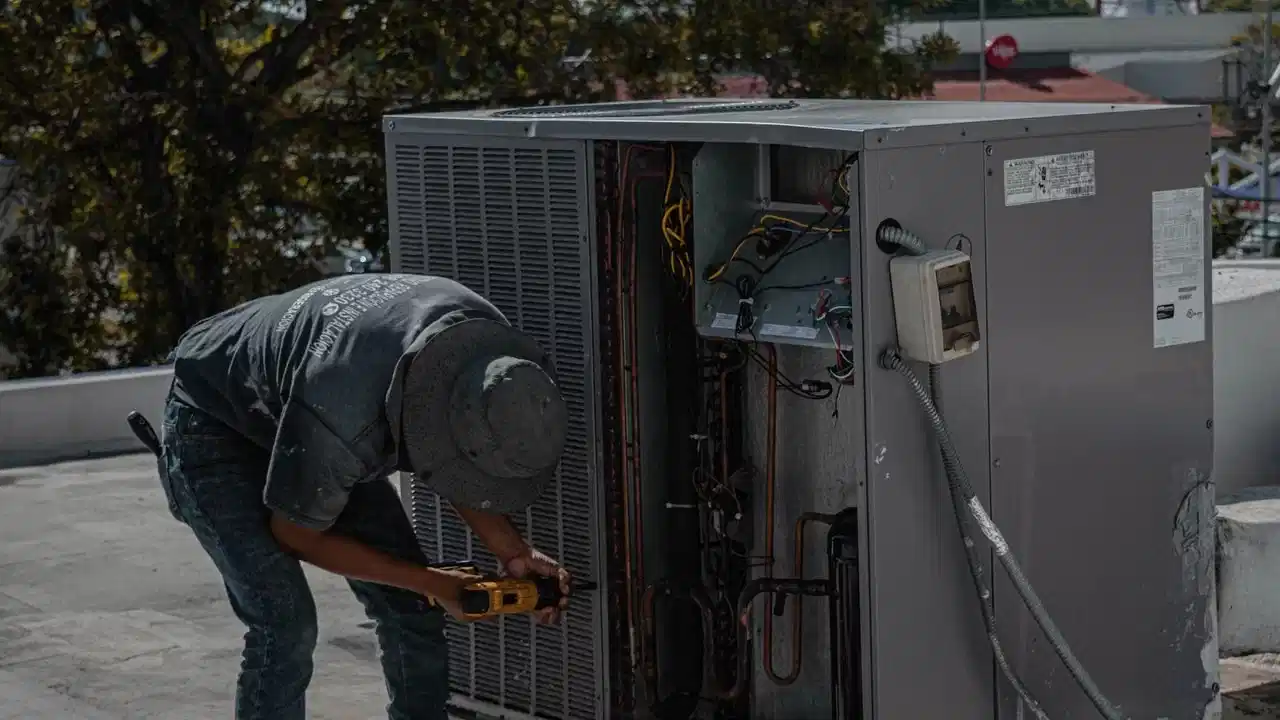
HVAC work is seasonal in most places: busy in the first hot weeks and the first cold snap, quieter between. A new company has to plan for both.
Qualifications and licences
“Refrigerant handling requires certification in the United States, and many states and cities require a contractor or HVAC licence on top. Rules differ. Ask your state licensing board what you need to work alone and what you need to hire techs.”
Choose your focus
Residential service and repair, installs and replacements, maintenance plans, commercial or a mix. Each needs different tools, trucks and staff.
Set up the business
Pick a structure with an accountant, register, get a tax ID and open a business bank account. Get quotes for general liability, workers' compensation and vehicle insurance.
Equipment and suppliers
Open accounts with local distributors. Ask about terms, delivery and training. A good supplier relationship saves hours in the peak season.
Pricing
Know your costs per hour, per truck and per job. Decide on diagnostics fees, flat rates for common repairs and how you quote installs. Track real costs and adjust.
Plan for the seasons
Offer maintenance agreements so shoulder months have steady work. Keep cash for slow weeks.
Get your first customers
Read the Groweik HVAC marketing guide for more.
Answer the phone
Heat waves and cold snaps bring many calls at once. Decide in advance who answers, how you triage and how you tell customers when you will arrive.
Next step
When you want help being found, see our HVAC marketing company page.
Frequently asked questions
Do I need a licence to start an HVAC business?
Usually yes, and refrigerant certification is required in the US. Requirements vary by state, so ask your licensing board.
How do HVAC companies get customers?
Referrals, Google profile and reviews, a service website, partners such as builders and property managers, and search ads for urgent calls.